The Science of Glass Packaging: Enhancing Your Brand Using Eco-Friendly Glass Bottles
The science of glass packaging presents brands with a matching information unique avenue for differentiation. Via eco-friendly approaches, glass bottles improve aesthetic presentation while resonating with environmentally aware consumers. Their inherent qualities, encompassing recyclability and material safety, reflect a dedication to quality standards. As companies move through this changing environment, grasping the diverse advantages and obstacles of glass packaging is critical for sustained growth. What innovative strategies are brands employing to maximize these advantages?
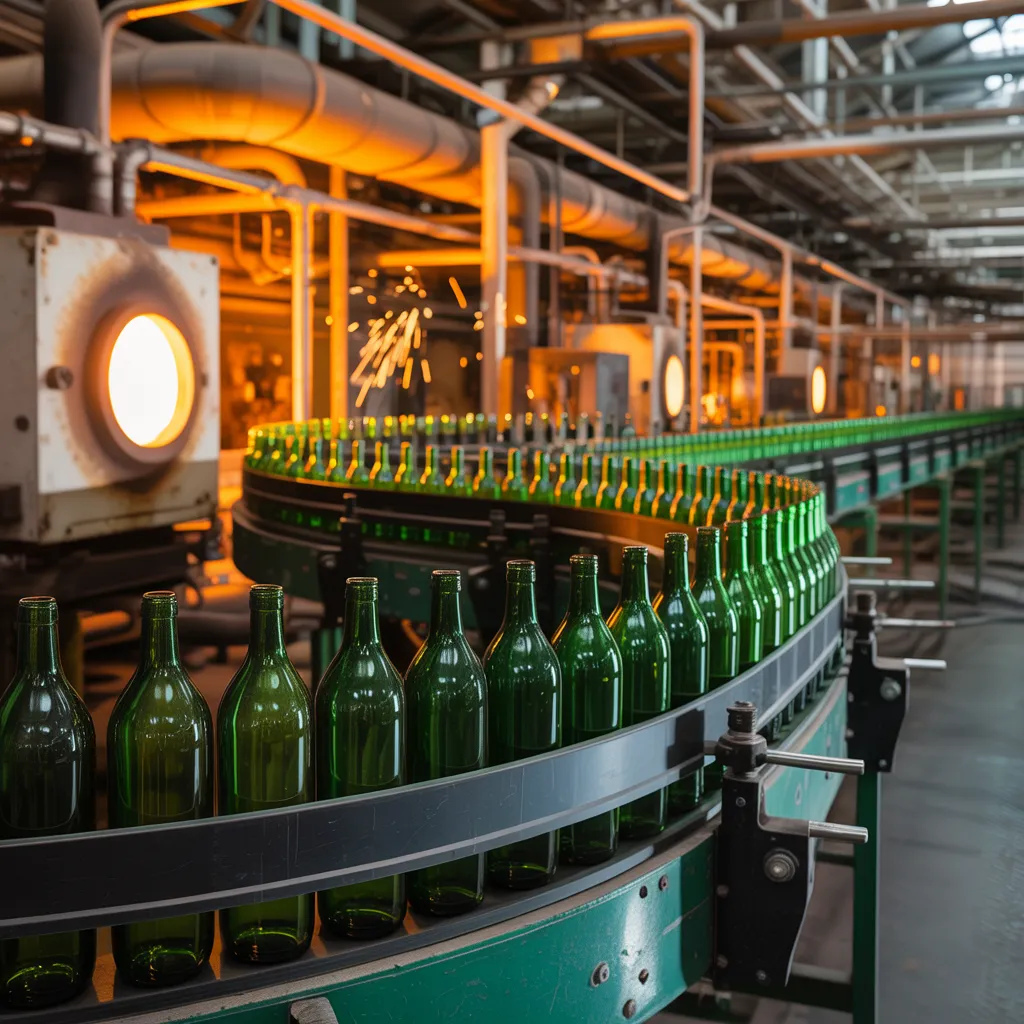
Why Choose Glass Packaging for Your Brand
Choosing glass packaging can considerably elevate a brand's image and eco-friendly commitments. Companies that choose glass packaging demonstrate a pledge to superior standards and premium experiences, appealing to discerning consumers who recognize the importance of design and utility. Glass offers a classic and refined aesthetic, contributing to a brand's visual identity while providing a sensory experience that synthetic materials fail to replicate.
In addition, glass packaging communicates a feeling of wholesomeness and reliability, as it is free from toxic substances commonly present in plastic materials. This option can draw in eco-aware shoppers who identify glass with sustainable behavior. Furthermore, its durability allows for repeat use, further reinforcing a brand's dedication to sustainability.
In a marketplace growing more conscious of ecological responsibility, choosing glass packaging can differentiate a brand cultivating loyalty and enhancing consumer trust. In the end, this calculated move positions brands as leaders in eco-conscious innovation and quality, aligning with the values of today's consumers.
The Environmental Benefits of Glass Bottles
Glass bottles offer significant sustainability benefits that set them apart from competing packaging solutions. These containers are completely recyclable, supporting a closed-loop economy where materials can be reused indefinitely without degradation in quality. This property greatly reduces the demand for new materials, consequently limiting material extraction and energy usage connected to production.
Furthermore, glass packaging is non-reactive, meaning it does not release harmful chemicals into its contents, ensuring safer consumption. Unlike plastic, glass does not promote microplastic pollution, which is a rising environmental problem.
The production of glass bottles also involves fewer greenhouse gas emissions when compared to plastic. With advancements in manufacturing processes, energy efficiency has significantly improved, additionally minimizing the environmental impact associated with producing glass.
Creative Designs That Elevate Glass Packaging
Creative designs in glass containers are transforming how consumers view products. Distinctive forms and designs not only boost practicality but also attract consumer attention. Furthermore, striking color combinations further enhance the visual impact, making glass vessels stand out on shelves.
Unique Shapes and Structures
Groundbreaking designs in glass-based packaging not only enhance aesthetic appeal but also serve a critical function in establishing brand uniqueness. Unique shapes and structures can craft remarkable experiences for buyers, enabling products to capture attention on packed product displays. As an example, bottles with asymmetrical shapes or geometric patterns can inspire intrigue and promote exploration. These original shapes often reflect a brand's personality, solidifying its brand narrative and ideals. Moreover, distinctive structures can elevate performance, including better grip or improved dispensing. Businesses that commit to original glass design concepts project a strong focus on superior quality and green practices, drawing in eco-aware buyers. Through emphasizing creativity in their packaging choices, companies can foster deeper connections with their audience, consequently strengthening customer commitment and improving market positioning.
Eye-Catching Color Palettes
Vibrant color palettes are fundamental in enhancing glass packaging, turning everyday bottles into striking visual declarations. By utilizing a deliberate combination of shades, businesses can inspire sentiment and deliver unforgettable moments for buyers. Striking colors can indicate superior craftsmanship, whereas gentler shades can express refinement and elegance.
Furthermore, the use of multi-toned designs and gradients adds depth and intrigue, drawing attention on crowded shelves. Eco-conscious practices additionally boost the appeal; eco-friendly dyes and finishes resonate with conscious consumers. At the core, the right color palette not only embodies a brand's character but also strengthens its dedication to sustainability, positioning glass packaging as a compelling differentiator in a competitive marketplace.
How Can Glass Packaging Elevate Product Perception?
Glass packaging notably improves how products are perceived through its premium feel and appeal, creating a sense of luxury for consumers. The visual transparency and clarity of glass allow for an unobstructed view of the product, further reinforcing quality. Furthermore, glass packaging supports environmentally responsible brand values, resonating with eco-minded consumers.
Premium Feel And Appeal
Utilizing glass packaging significantly enhances the perceived value of a product, commonly connecting it with quality and refinement. Consumers frequently associate glass with high-end appeal, contributing to stronger brand dedication and positive consumer experiences. The sensory quality of glass, with its refined surface and heft, contributes to a high-end impression that plastic cannot replicate. This sensory engagement establishes a bond between the product and the consumer, fostering a perception of excellence. Furthermore, glass packaging conveys a commitment to sustainability, attracting environmentally-conscious buyers. Therefore, brands utilizing glass can establish themselves as higher-end alternatives within their markets, appealing to thoughtful consumers who appreciate both style and sustainability in their purchasing decisions.
Visual Transparency And Clarity
When shoppers come across products in glass packaging, their perception is often enhanced by the intrinsic visual see-through quality it delivers. This clarity permits interested shoppers to observe the item inside, creating an atmosphere of reliability and credibility. The clarity of glass not only showcases the product's quality but also highlights its color and texture, boosting aesthetic attractiveness. Additionally, the absence of labeling distractions on clear glass allows the product to take center stage, producing a more captivating retail encounter. Glass vessels can uplift brand standing by expressing a devotion to quality and skill. This visual clarity ultimately influences consumer decisions, fostering a stronger sentimental bond with the product and the company.
Environmentally Conscious Brand Positioning
Eco-conscious brands leverage glass packaging to solidify their pledge to environmental responsibility, meaningfully improving the way consumers view their products. Glass conveys a sense of quality and purity, establishing a superior benchmark against plastic options. This medium not only highlights the environmental principles of a brand but also appeals to consumers who prioritize environmentally responsible choices. The physical sensation of glass—its heft and feel—additionally enhances the perceived worth of the product. Additionally, the recyclability of glass aligns with the growing consumer demand for sustainable practices, strengthening consumer allegiance. By choosing glass, brands not only showcase their dedication to the environment but also establish their products as high-end choices, consequently developing a distinguished presence in a competitive industry.
How Brands Are Winning With Glass Packaging
Many companies are thriving by embracing glass packaging, showcasing its consumer appeal and dedication to environmental responsibility. For instance, a leading beverage company made the switch to glass bottles, resulting in a 30% rise in sales within a year. The transition not only enhanced product visibility on shelves but also connected with eco-conscious consumers, strengthening the brand's sustainability message.
A different skincare brand effectively transitioned to glass containers, considerably boosting its upscale appeal. This transition drew in a dedicated clientele who appreciates both visual appeal and eco-conscious practices. Additionally, a specialty beer manufacturer incorporated refillable glass growlers, building brand loyalty while minimizing waste. These examples demonstrate that glass materials not only fulfill market needs for environmentally responsible choices but also reinforces brand identity and market positioning. These deliberate decisions highlight an emerging pattern among brands aiming to integrate eco-friendly values into their processes while appealing to modern consumers.
How to Address Challenges in Glass Packaging
Managing the complexities of glass packaging requires creative approaches and a keen understanding of the market. Businesses often face issues such as costly production processes, weight-related challenges, and breakability. To overcome these, brands can adopt innovative fabrication processes that minimize material waste and enhance durability. Partnering with suppliers to procure environmentally responsible materials also mitigates environmental consequences while resonating with environmentally conscious consumers.
A further difficulty concerns the complexities of shipping, considering the substantial weight of glass. Implementing smart logistics solutions, such as refined shipping techniques and innovative packaging designs, can help minimize costs and guarantee product safety during transit. Moreover, raising consumer awareness regarding glass's superiority over plastic can foster brand loyalty and drive demand. Through adopting these approaches, companies can surmount challenges in glass packaging and establish themselves as pioneers in sustainable practices, consequently improving their brand identity and overall market influence.
The Future of Sustainable Glass Packaging
As the demand for sustainable packaging continues to rise, the glass packaging industry is set for remarkable evolution. Advancements in production methods are anticipated to improve energy performance, minimizing the carbon emissions tied to glass production. Moreover, the rise of lightweight glass bottle usage will become a defining trend, reducing shipping emissions while preserving product quality.
Recycling initiatives will become more robust, with increased collaboration between industry leaders and civic authorities to improve glass collection and processing. Furthermore, the incorporation of intelligent technology within packaging will facilitate improved clarity throughout the supply chain, allowing businesses to demonstrate their green initiatives with greater effectiveness.
Growing consumer demand for sustainable products will further accelerate the creation of customizable, aesthetically pleasing designs, combining utility with striking visual elements. As brands prioritize sustainability, the glass packaging sector is set to redefine its approach, addressing wider ecological objectives while satisfying the demands of environmentally aware consumers.
Questions We Often Receive
What Are the Expenses Linked to Glass Packaging Versus Plastic?
Packaging made from glass generally incurs higher costs as a result of production, distribution, and recycling demands relative to plastic packaging. Nevertheless, it provides eco-friendly benefits and stronger brand positioning, making it a worthwhile investment for certain companies.
How Do I Customize Glass Bottles for My Brand?
Brands can customize glass packaging by using unique shapes, colors, and finishes. Custom labels, engravings, and printed artwork strengthen brand identity. Working alongside suppliers ensures consistency with sustainability goals while maintaining visual appeal and practicality.
Do Specific Regulations Exist for Glass Packaging?
Yes, specific regulations for glass packaging exist, differing across regions. These include safety standards, labeling requirements, and recycling guidelines, ensuring consumer safety and environmental responsibility while encouraging sustainable practices in packaging manufacturing and distribution.
What Are the Most Effective Best Practices for Recycling Glass Bottles?
When recycling glass bottles properly, people should clean them out to eliminate any residue, take off the caps, and sort by color. Additionally, they should review community recycling rules for designated drop-off sites to guarantee proper processing.
In What Ways Does Glass Packaging Influence Shipping and Logistics?
Glass packaging significantly impacts shipping operations and logistics by introducing increased weight and fragility, requiring careful handling and specialized transport solutions. This often leads to increased expenses and more complicated supply chain operations relative to lighter and sturdier material alternatives.